
Understanding Loose-Fill Insulation
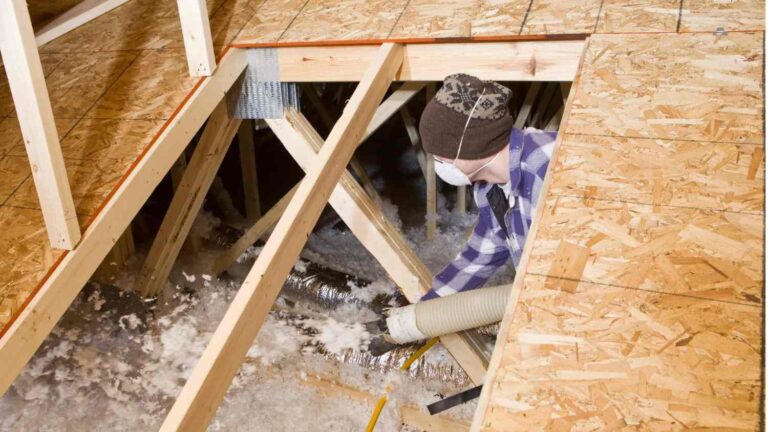
Torres Insulation Inc. installs loose-fill insulation, which consists of small, loose pieces rather than rolls or sheets. A crew uses a machine and hose to blow the fill into place. Homeowners comparing this option with batt insulation in Los Angeles will find that batts come in pre-cut sections. Loose fill fits around beams and covers the attic floor.
For blown-in insulation Los Angeles homes may need, the attic’s shape and access help guide the work. Crews spread the fill to a set depth based on the product and the planned R-value. R-value measures how well insulation slows heat flow. This method suits open attic floors and some enclosed spaces when the structure allows it.
Where Blown-In Insulation Fits Best
- Fits around attic framing
- Covers spaces with varied shapes
- Allows crews to add fill where coverage falls short
What Happens During
Blown-In Insulation Installation?
Torres Insulation Inc. checks your attic before work starts. The crew looks at the old fill, its depth, and signs of damage. These checks help shape the work your home needs.
The chosen product and target R-value guide the fill depth. Access, vent paths, and fixture clearances also help define the plan.
How the Work Is Carried Out
An attic check starts our process. A final review confirms the work is complete.
Access Preparation
The crew covers floors and the path to the hatch. These covers help keep your home clean during blown in insulation work.
Existing Insulation Assessment
Before adding blown in insulation Los Angeles homes may need, the crew checks the old fill. Depth checks reveal thin spots. Wet or damaged fill may need removal.
Baffles and Clearances
Baffles help keep vent paths open where needed. The crew keeps fill away from fixtures that need clear space.
Even Distribution
The crew spreads blown-in attic insulation across the planned area. Thin spots and edges get close attention.
Cleanup
The crew takes out tools, bags, and loose scraps. A final sweep clears the access path.
Depth Verification
Depth checks cover several spots in the attic. The crew adds fill where needed to reach the planned depth.
How Blown-In Insulation Can Help Your Home
Torres Insulation Inc. offers blown in insulation services to improve attic coverage. The team installs blown in insulation Los Angeles homeowners can use to cover thin spots and slow heat flow. Results depend on the home and its old fill.
For blown in insulation Los Angeles CA homeowners can explore projects worth showing to see how loose fill fits around attic beams. These photos show coverage and depth. An attic check helps identify what your own home needs before work starts.
What Better Attic Coverage May Improve
- More Consistent Indoor Comfort - Insulation slows heat flow. This helps rooms hold a more steady temperature.
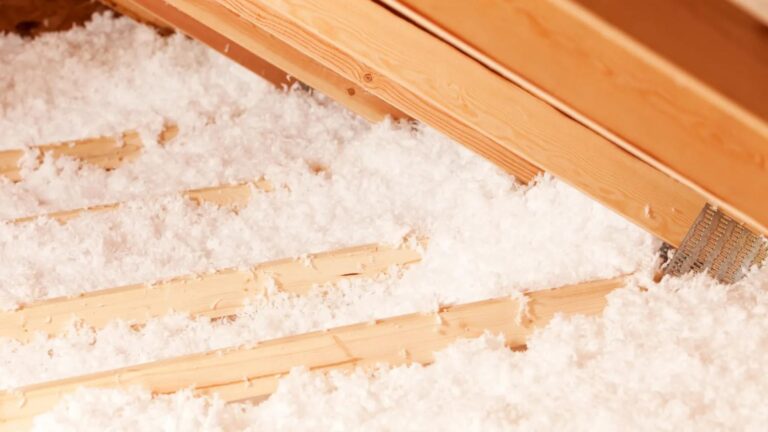
- Better Coverage Around Attic Framing - Loose fill fits around attic beams. Even coverage helps limit thin spots.
- Support for More Efficient Heating and Cooling - Better attic coverage may reduce the work your heating and cooling system needs to do.
How Better Attic Coverage Supports Home Comfort
Torres Insulation Inc. provides blown-in insulation Los Angeles homeowners can use to improve thin attic coverage. Checking attic insulation in Los Angeles homes helps reveal gaps and areas that may need more fill.
Our blown-in insulation services help cover spaces around beams and other obstacles. The team assesses the old fill to plan the blown in insulation Los Angeles CA homes may need.
What Property Owners Commonly Notice
Results depend on the attic and the scope of work.
- Cooler upstairs rooms - Better attic coverage may help limit heat gain in rooms below.
- Fewer gaps in coverage - Loose fill fits around framing. Careful placement helps cover thin spots.
- Support for energy efficiency - The right amount of fill may ease the load on cooling systems.
- A fast installation - Some attic jobs take one visit. Prep work and attic size affect timing.
- A practical route to higher R-values - Adding suitable fill can raise the attic’s R-value without replacing all the old material.

Why Choose Torres for Your Insulation Project?
Torres Insulation Inc. has served Southern California since July 2020. Led by Abraham Torres the family-owned team provides blown in insulation Los Angeles homeowners can choose for attic upgrades.
Family-Owned Service
Abraham reviews project details and prepares estimates. He stays connected to the crew that handles the work.
Experience Since 2020
The team serves homeowners and commercial clients. This experience helps guide its blown-in insulation services.
Clear Estimates
Share your project details to request a free estimate. Review the planned work before you book.
Care From Start to Finish
Your blown in insulation contractor handles site prep and installation. The crew also takes care of removal when needed and cleanup.
Local Service Coverage
Based in Whittier the team serves Los Angeles County and Orange County plus areas near Riverside.

Los Angeles and Surrounding Areas
Torres Insulation Inc. provides blown in insulation Los Angeles homeowners can choose for attic upgrades. The Whittier-based team also serves Downey and Montebello. Nearby locations include Rosemead and Baldwin Park as well as Long Beach and Torrance.
Explore our service areas for coverage in Altadena and Pacific Palisades plus Woodland Hills and the San Fernando Valley. The team also serves Anaheim and Anaheim Hills. Other Orange County locations include Garden Grove and Fountain Valley along with Laguna Beach. Contact the team to discuss your location.
Ready for a More Comfortable Home?
Torres Insulation Inc. helps you plan the blown-in insulation Los Angeles homes may need. An attic assessment checks the old fill and its depth. The crew looks for gaps and visible concerns that may need attention before adding more material.
Share your address and a few details about your attic through the form or contact us by phone. The team will review your needs and explain the next steps. You can then request a free estimate for the work.
Common Questions About Blown-In Insulation
Can you add blown-in insulation over existing insulation?
Yes if the old material is dry and suitable to keep. The crew should check its condition before adding more fill. Wet or damaged areas may need removal first. Torres Insulation Inc. can assess the attic and explain whether the existing material can stay as part of the planned work.
How much blown-in attic insulation do I need?
The amount depends on your attic’s size and current coverage. The chosen material and target R-value also guide the plan. R-value measures how well insulation slows heat flow. A crew should measure the old fill and follow the product’s coverage chart along with any requirements that apply to your project.
How long does installation take?
Timing depends on attic size and ease of access. The crew may also need time to remove old fill or prepare the space. Tight areas and repairs can extend the job. Ask for a timeframe after the assessment so you know how the planned work may affect your daily routine.
Should old insulation be removed first?
Not every attic needs full removal. Dry material in good condition may stay if it suits the new installation. Moisture or contamination may call for removal. The crew should assess damaged areas and identify the cause first. Fixing those concerns helps avoid covering an unresolved problem with fresh loose fill.
How do I choose blown-in insulation contractors?
Ask for a written scope that lists the material and target R-value. Find out how the crew checks coverage and depth. Verify relevant credentials and review real customer feedback. Compare what each estimate includes rather than price alone. Clear answers help you understand the work before you choose a contractor.
Other Services
Find Out What Your Attic
Currently Measures
If your upstairs runs hot or the attic has not been touched in years, the first useful step is measuring what is actually up there. Send your details and the assessment and estimate are free.