
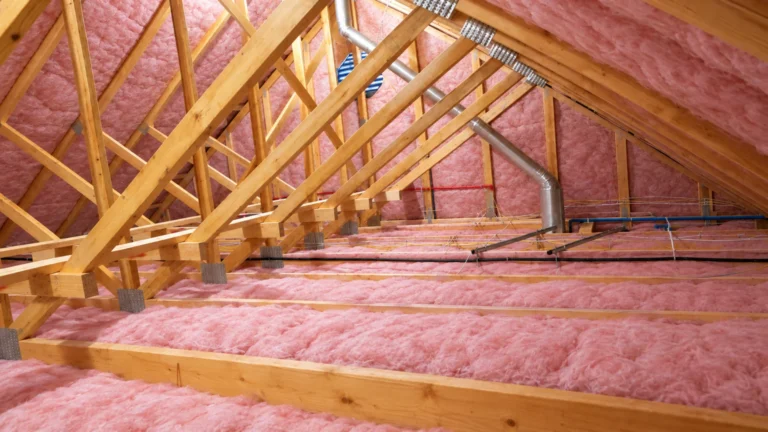
What Attic Insulation Actually Does
Your attic can let heat move into the rooms below. Good insulation slows that heat flow. As a result, attic insulation Los Angeles homeowners install may help rooms feel more comfortable in warm weather.
Old insulation may have gaps, damage, or thin spots. Some materials can settle or become wet. Therefore, we check the condition and coverage before we suggest more insulation or removal.
Who Is This Service For?
Our attic insulation services can help homeowners who notice heat, uneven room temperatures, or old attic material.
- Homeowners with hot upstairs bedrooms
- Older homes never upgraded since construction
- Properties with settled or damaged insulation
- Renovations and additions
- Anyone preparing for an inspection
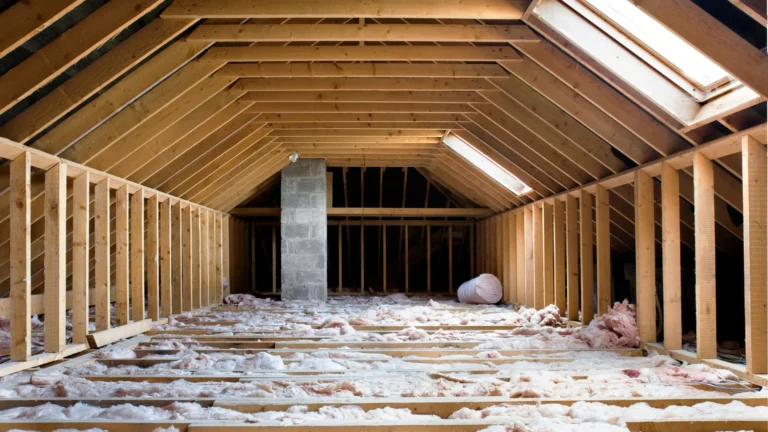
Attic Insulation Options for Los Angeles Homes
Choosing attic insulation Los Angeles homes need starts with a look at the space. The best choice depends on access, current material, and the work you want done. We can explain which options may fit your home.
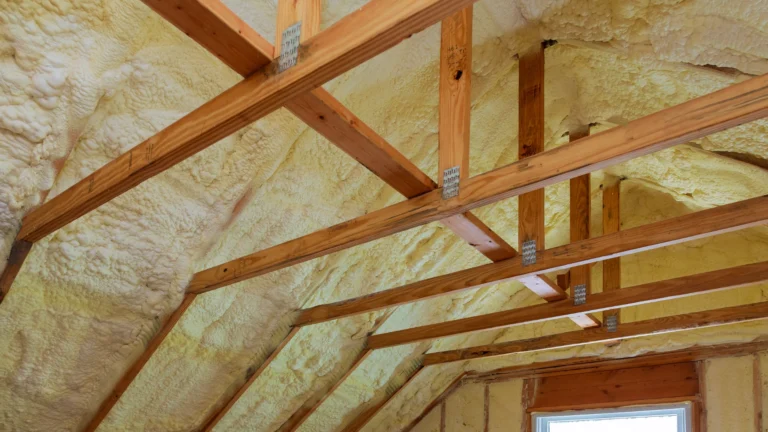
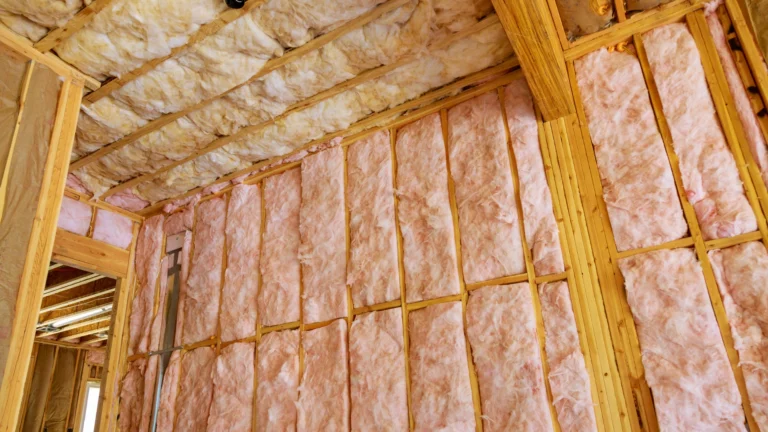
Blown-in insulation can fill uneven attic-floor spaces. Batts may work well in open, easy-to-reach areas. Fiberglass and spray foam have different uses. Ask us which materials suit your attic before you choose.
For attic insulation installation Los Angeles homeowners can plan with confidence, ask about the material, coverage, and target R-value. Also, check what the estimate includes. We can review these details during an assessment.
What to Expect From Attic Insulation Installation
First, we inspect the attic and measure the current insulation. We also look for gaps, damage, and access issues. Then we explain the work your home may need.
Once you approve the plan, our team can schedule the attic insulation installation. The time needed depends on attic size, access, and any removal work.
How the Work Is Carried Out
Here is how attic insulation Los Angeles projects can move from assessment to final review.
Attic assessment
Existing depth is measured and the material is checked for settling, moisture, or pest damage.
Removal if required
Material that is contaminated, wet, or badly degraded is removed before anything new is installed.
R-value target set
We choose a target R-value based on your home, climate zone, and project needs. We explain the goal before work starts.
Access protection
Routes through the property are covered so debris and material stay contained.
Even installation
Coverage is worked across the full attic, including toward the eaves rather than concentrated near the hatch.
Depth verification and cleanup
Coverage is checked across the space and the area is cleared before the crew leaves.
How Attic Insulation Will Help Your Home
Adding attic insulation Los Angeles homeowners need may slow heat flow into living rooms. It can also help reduce hot spots upstairs. However, results depend on your home and the insulation already in place.
Your cooling system may run less often after an upgrade. Still, savings vary by home, weather, and how you use your system. We avoid promising a fixed result.
What Homeowners Commonly Notice
These are the changes reported most often after an attic upgrade.
- Cooler upstairs rooms in summer — Restoring depth may reduce the heat load coming down from the attic.
- More even temperatures across the home — The gap between the warmest and coolest rooms may narrow.
- Support for energy efficiency — Cooling systems may work less hard when the attic is properly insulated.
- A cleaner attic space — Removal and cleanup often improve the condition of the attic itself, not just its performance.
- Confidence at inspection — Correct depth and coverage are what an inspector checks on attic work.
Attic Insulation at Torres Insulation Inc.
With attic insulation Los Angeles homeowners often cannot see the final coverage from below. So we check the space near edges and around obstacles. We also explain what we plan to install.
Our crew protects the access route and keeps the work area tidy. We collect loose debris and clean up before we leave. This helps make the process easier for your household.
The company reports a 95% first-inspection pass rate across its projects, which reflects work checked before an inspector arrives rather than after.
Los Angeles Attic Insulation Rebates
LADWP offers an attic insulation rebate program for some homes. However, the program has rules about eligible customers, materials, and work. Check the current LADWP page before you make plans.
If you want Los Angeles attic insulation rebate details, review the official program terms. Ask about product and project rules before work starts. Torres Insulation does not guarantee a rebate.
Frequently Asked Questions About Local Attic Insulation
How much attic insulation do I need in Southern California?
Your home, climate zone, and local rules help set the right R-value. Also, insulation types need different depths. We can measure the current material and explain your options.
What are the signs my attic needs more insulation?
Hot upstairs rooms, uneven temperatures, and high cooling bills may point to poor attic coverage. Yet other issues can cause these signs. An attic check can help find the cause.
Should I replace old insulation or add attic insulation in Los Angeles?
Not always. Clean, dry material can sometimes stay in place. However, wet or damaged insulation may need removal. Our team can explain the best choice after an assessment.
How long does attic insulation take to install?
Most residential attics are completed within a day, though jobs involving removal beforehand take longer. Access, attic size, and the amount of material being handled all affect timing. Contact us for current scheduling and project availability.
Does attic insulation help with cooling costs?
Yes, better attic coverage may help reduce heat flow. However, cooling costs also depend on your home and how you use your system. Ask about attic insulation services and what your estimate covers.
Do you install insulation in Los Angeles, CA?
Yes. Contact Torres Insulation to discuss attic insulation Los Angeles CA homeowners may need. Share your address and project details so our team can confirm service and scheduling.
Other Services
Find Out What Your Attic Measures Today
If you want attic insulation Los Angeles homeowners can plan around their needs, start with an assessment. Tell us about your rooms and any comfort issues. Then request a free estimate.