
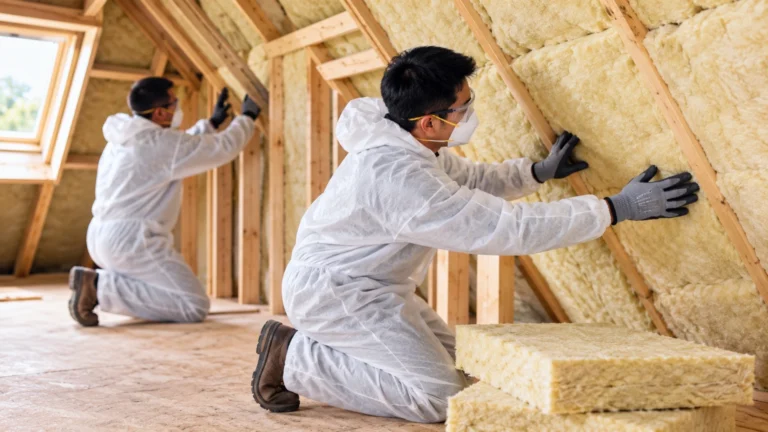
Insulation Work in Homes People Are Actually Living In
Residential insulation is different from construction work because someone is usually living in the property while it happens. That changes how the job has to be run, from protecting access routes to keeping the timeline tight.
It also changes what matters in the recommendation. A homeowner needs the options explained in plain language, not a specification handed over to be interpreted.
Who Is This Service For?
Residential insulation suits homes at almost any stage.
- Older homes never upgraded since they were built
- Properties with hot or cold rooms
- Renovations and additions
- ADU and garage conversion projects
- Homes with damaged or contaminated insulation
Residential Insulation Services
Available for Your Home
Every home is assessed before anything is recommended, because the right answer depends on what is already there and where the property is losing performance. The attic is the usual starting point, though walls, floors, and ductwork all get considered.
Once the scope is clear, you get a free estimate explaining what is included and why each element is there.
What We Install in Homes
These are the services most commonly carried out on residential properties.
Attic insulation
Assessment and installation to an appropriate R-value, commonly between R30 and R49.
Insulation removal and attic cleanup
Clearing material that is settled, wet, or contaminated before new insulation goes in.
Blown-in and batt insulation
Loose fill across existing attic floors and batts through open framing on renovations.
Spray foam insulation
Open and closed cell foam where sealing gaps or limited cavity depth is the issue.
Subfloor insulation
Insulation beneath raised foundations where floors run cold.
Insulation repair
Targeted repair where damage is localised and the surrounding material is sound.
How Residential Insulation May Improve Your Home
Bringing a home up to appropriate insulation levels may reduce the temperature difference between rooms and lessen how hard cooling systems have to work. Homeowners most often describe the change in terms of the room that used to be unbearable becoming usable.
How much difference you notice depends on the current condition, which is exactly what the assessment is for.
What Homeowners Commonly Notice
These are the outcomes reported most often after residential insulation work.
- Rooms that finally hold temperature — Addressing the weakest surface may reduce the swings that make one room different.
- Support for energy efficiency — Systems may run less when the envelope is doing more of the work.
- Improved comfort through summer — Attic upgrades in particular may reduce heat transfer into upstairs rooms.
- A cleaner attic — Removal and cleanup often improve the space itself alongside its performance.
- Clear understanding of the options — Homeowners leave the estimate knowing what was recommended and why.
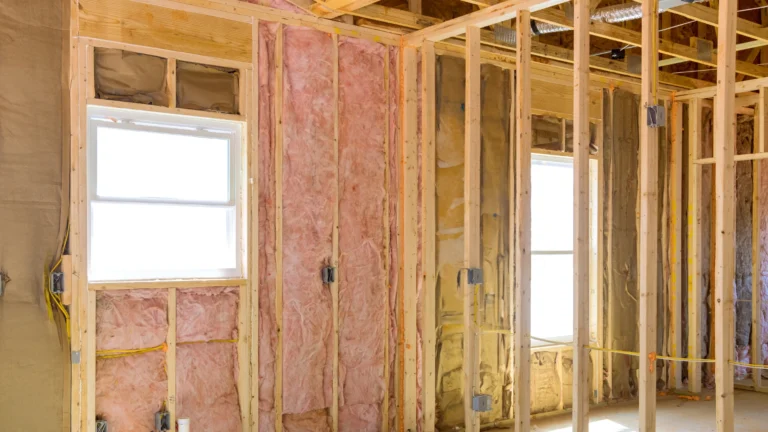
Residential Insulation at Torres Insulation Inc.
Working in occupied homes is a different discipline from working on a job site. Floors get covered, debris gets bagged at source, and the space is cleared before the crew leaves, because the property has to be liveable the same evening.
Communication follows the same principle. You are told when the crew is arriving, what is happening, and if anything changes, rather than finding out from a van in the driveway.
The company is family owned and has served Southern California homeowners since 2020, with flexible payment options available on larger projects.
Common Questions About Residential Insulation
What is the best insulation for a home in Southern California?
There is no single best option, since the right material depends on the space, cavity depth, and what the project needs to achieve. Blown-in and batt fiberglass suit most attics and open framing, while spray foam earns its cost where sealing or limited depth is the issue. The recommendation comes after looking at the property rather than before.
How much does home insulation cost?
Cost depends on square footage, material, R-value, and whether existing insulation needs removing first. Removal in particular affects the figure, since it adds labour and disposal. Estimates are free and are based on an assessment rather than an average.
Can insulation be installed while I am living in the house?
Yes, most residential work is completed with the household in place. Access routes are protected and the work area itself stays closed off during the job. Most attic projects are finished within a day.
Which room should I insulate first if I cannot do everything?
The attic is usually the highest impact starting point, since it is the largest surface between the living space and outside temperature. Rooms that are consistently uncomfortable often trace back to attic conditions above them. An assessment will confirm where your property is weakest.
Do you insulate ADUs and home additions?
Yes, ADUs, garage conversions, and additions are a regular part of residential work. These projects usually involve batt or spray foam insulation installed before drywall. Sending plans upfront makes the estimate faster and more accurate.
Other Services
Book a Free Assessment for Your Home
If one room has never been right, or the attic has not been touched in decades, the first step is finding out what you are actually working with. The assessment and estimate cost you nothing.