
What Is Subfloor Insulation?
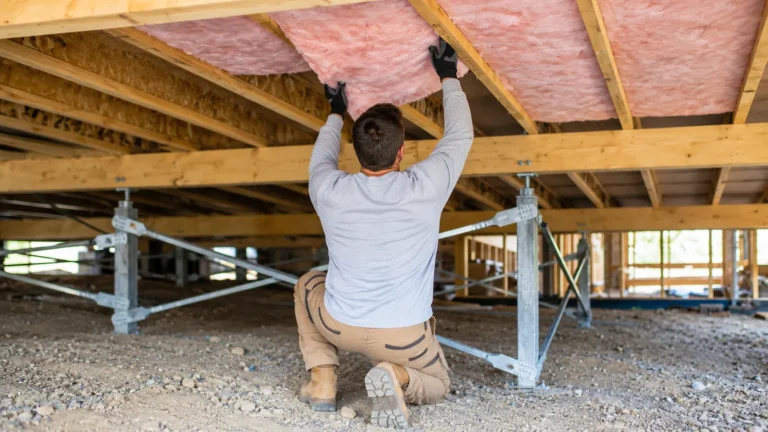
Subfloor insulation is installed underneath the floor structure, in the crawl space or open area beneath a raised foundation. It slows temperature transfer between that unconditioned space and the rooms above it.
Homes with raised foundations are common across older Southern California neighbourhoods, and many were built without any subfloor insulation at all. The floor is often the last uninsulated surface in an otherwise well insulated home.
Who Is This Service For?
Subfloor insulation suits properties where the floor itself is the weak point.
- Homes with raised or pier foundations
- Properties with persistently cold floors
- Older homes never insulated underneath
- Renovations opening up floor access
- ADU and addition projects
What to Expect From a
Subfloor Insulation Installation
Access is the first thing assessed, since crawl space height, entry points, and existing conditions determine how the work is carried out. The condition of the space itself is checked too, including any moisture or damage that should be addressed before insulation goes in.
Material is then selected and secured to suit the joist spacing and the R-value being targeted.
How the Work Is Carried Out
Here is the sequence on a typical subfloor job.
Access and space assessment
Crawl space height, entry, and condition are checked before any scope is quoted.
Existing condition check
Moisture, damage, and any previously installed material are identified upfront.
Material selection
Insulation type and R-value are matched to the joist depth and the application.
Secure fitting
Material is fitted between joists and held in place so it stays put rather than sagging over time.
Working around services
Pipes, ducts, and wiring under the floor are worked around rather than covered indiscriminately.
Cleanup
Offcuts and packaging are removed from the crawl space rather than left behind.
How Subfloor Insulation May Help Your Property
Insulating beneath the floor may reduce how much temperature moves between the crawl space and the living area above. Homeowners most often notice the difference underfoot in the rooms that sit directly over the open space.
Whether it makes a meaningful difference depends on your foundation type, the current condition underneath, and how the rest of the property is insulated.
What Homeowners Commonly Notice
These are the outcomes reported most often after subfloor work.
- Floors that feel less cold — Insulating beneath the floor may reduce temperature transfer from the crawl space.
- More consistent room temperatures — Rooms over open crawl space may hold temperature more evenly.
- Support for energy efficiency — Closing an uninsulated surface may reduce how hard heating and cooling systems work.
- A completed building envelope — Subfloor insulation addresses the surface most often left out of an upgrade.
- A tidier crawl space — Assessment often identifies other issues underneath worth knowing about.
Subfloor Insulation at Torres Insulation Inc.
Crawl space work is uncomfortable, which is part of why subfloor insulation is so often skipped or done carelessly. Material that sags loose within a year was never secured properly in the first place.
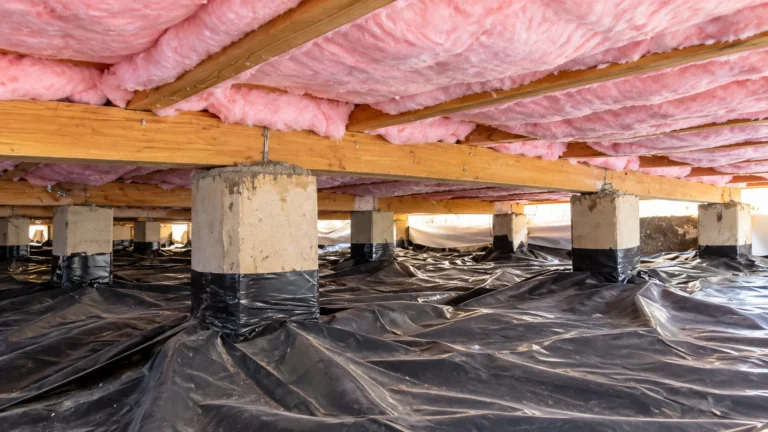
Installations are fitted so the material stays in position and maintains contact with the floor above, which is what determines whether it performs at all.
The space is also assessed honestly before work is quoted. If conditions underneath need addressing before insulation makes sense, that gets raised rather than covered over.
Common Questions About Subfloor Insulation
Does subfloor insulation help with cold floors?
Insulating beneath the floor may reduce how much temperature transfers from the crawl space into the rooms above. Homes with raised foundations and no existing subfloor insulation typically notice the most difference. How much you feel depends on the property and how the rest of the envelope performs.
What R-value is used for subfloor insulation?
The target depends on the joist depth available and what the project needs to achieve, with values such as R19 and R21 common in floor assemblies. Material has to fit the cavity without compression to perform as rated. The right figure for your property is confirmed during the estimate.
Can subfloor insulation be installed in a low crawl space?
Often yes, though clearance affects how the work is carried out and how long it takes. Very restricted spaces are assessed individually before any scope is committed. Access is one of the first things checked during the estimate.
How long does subfloor insulation stay in place?
Correctly secured material should stay in position for many years, provided the crawl space stays dry. Sagging insulation usually indicates it was never fastened adequately or that moisture has affected it. Fastening is what determines longevity more than the material itself.
Do you insulate crawl spaces as well as subfloors?
Subfloor insulation between the joists is the standard service, and the crawl space condition is assessed as part of it. If issues underneath need attention first, they are flagged before work is quoted. Send the property details and the scope can be confirmed during the estimate.
Other Services
Get a Free Estimate for Subfloor Insulation
If the floors in your home never feel right and the foundation is raised, the answer is usually underneath. Send your property details and the assessment and estimate cost you nothing.