
Is Spray Foam Right for Your Property?
Torres Insulation Inc. offers spray foam insulation Los Angeles property owners can use to help control heat flow. We apply foam that expands to fill gaps in suitable spaces. Insulation slows heat movement, while air sealing limits air leaks. Spray foam can serve both roles. A spray foam insulation contractor helps choose the right type and thickness based on the space, wall or roof design, and the needs of your project.
Who Can Benefit From Spray Foam?
Los Angeles spray foam insulation may suit several groups. Here is who we work with.
- Homeowners upgrading suitable walls, attics, or roof spaces
- Builders planning insulation for new homes
- Business owners improving suitable work spaces
Choosing the Right Spray Foam for Your Space
Torres Insulation Inc. helps you compare foam types for your project. Each type has different strengths. Your space, goals, and building design guide the choice.
The Difference in Plain Terms
The best spray foam insulation depends on where you need it. Foam density, depth, and cost all affect your choice.
Open Cell Spray Foam
Open cell foam forms a light, soft fill. It expands to fill suitable cavities and needs more space to reach a given insulation level.
Closed Cell Spray Foam
For spray foam insulation Los Angeles CA projects with limited depth, closed cell may suit the space. It forms a dense, firm layer.
R-value Per Inch
R-value measures how well insulation slows heat flow. Closed cell foam usually provides more R-value per inch than open cell foam.
Air Sealing
With proper thickness and installation, both types can limit air leaks. For spray foam insulation Los Angeles projects, gaps and coverage affect the result.
Cost Per Square Foot
Closed cell foam generally costs more than open cell foam. The total price also depends on thickness, access, prep work, and project size.
Where We Install Spray Foam in Los Angeles
Torres Insulation Inc. helps you assess where spray foam fits your space. Access, old materials, and the state of your building shape the plan. Before work starts, each area needs a review to find gaps, moisture issues, and prep needs.
Walls, roofs, and floors each need a different approach. The right foam and placement depend on the building’s design and use. Some spaces need repairs first. Others may suit another type of insulation. A clear plan helps guide the work.
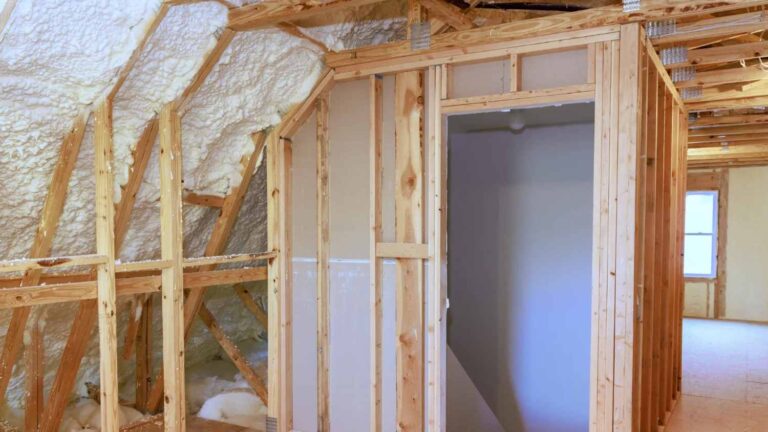
- Attics and Roof Assemblies: For spray foam insulation Los Angeles projects, roof design and airflow needs guide placement. The attic insulation Los Angeles homes need may sit at the floor or roofline. Each approach needs its own plan. The review must account for vents, moisture, and how the roof handles heat throughout the space.
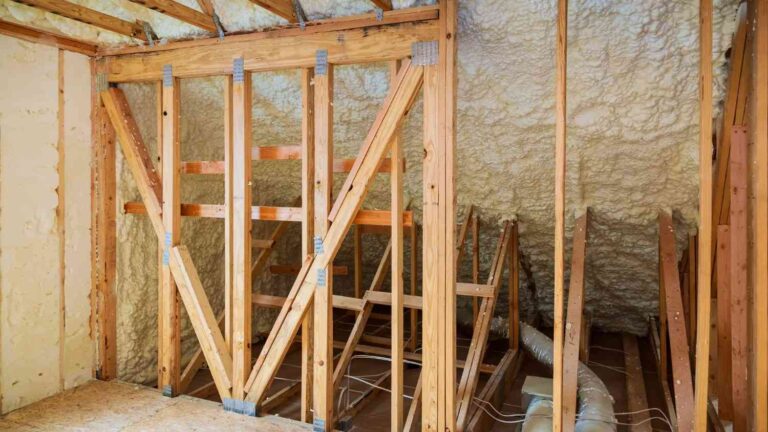
- Spray Foam Wall Insulation: Open wall cavities allow access during new builds and suitable remodels. Finished walls may need some wall coverings removed first. A spray foam insulation service Los Angeles CA property owners choose should assess cavity depth, wires, and pipes. These checks help guide foam placement without blocking parts that need access.
- Other Suitable Spaces: Floors and crawl spaces may suit foam after a site review. Access, dampness, and surface condition affect the choice. Confirm the application with Torres before planning work. Fix leaks and damaged materials first. Foam helps insulate suitable spaces, but it cannot replace repairs or solve the source of moisture problems.
How Spray Foam Insulation May Help Your Property
Torres Insulation Inc. helps you assess spray foam insulation Los Angeles property owners can use to limit air leaks. Sealing gaps may help rooms feel more comfortable and reduce hot or cold spots.
The right choice depends on your building and its needs. For spray foam insulation Los Angeles CA projects, a review helps identify suitable spaces. Some areas may need repairs or another insulation type.
What Property Owners Commonly Notice
Properly installed spray foam insulation may offer these benefits.
- More consistent temperatures - Sealing air leaks may help reduce room temperature swings.
- Better performance in shallow cavities - Closed cell foam provides more insulation per inch, which may suit spaces with limited depth.
- Coverage around obstructions - Foam expands around suitable pipes, wires, and uneven framing. Installers must keep required clearances.
- Support for energy efficiency - Limiting air leaks may reduce heating and cooling needs. Results depend on the whole building.
- A sealed attic or roof assembly - Foam at the roof deck may help bring the attic inside the home’s insulated space. This approach needs a suitable roof and airflow plan.

Our Spray Foam Insulation Services in Los Angeles
Torres Insulation Inc. offers spray foam insulation Los Angeles homeowners and businesses can choose for suitable spaces. We review your project to help match the foam type to your needs.
Existing Homes and Renovations
Our insulation services Los Angeles homeowners can choose include upgrades and remodels. We assess access and existing materials before work starts. The best spray foam insulation for your home depends on cavity depth, surface condition, and what the space needs.
New Construction Projects
We plan spray foam insulation work before builders close wall cavities and add finishes. This gives installers access to suitable spaces. Coordinating with the build team helps set the work order and address pipes, wires, and areas that need clearance.
Commercial Properties
Our spray foam insulation service Los Angeles CA businesses can request starts with project details. We coordinate suitable applications with your team. Los Angeles, Whittier, Long Beach, and Torrance fall within our service areas, along with other nearby Southern California communities.

Why Choose Us?
Torres Insulation Inc. is a family-owned business serving Southern California since 2020. We offer spray foam insulation Los Angeles property owners can choose with clear estimates and a defined scope.
Clear Recommendations for Your Space
Our process starts with your project details, photos, or plans. We review the space and explain suitable options. For Los Angeles spray foam insulation, we consider foam type, thickness, and coverage. Your free estimate outlines the work and explains why we recommend that approach.
Careful Installation and Clear Communication
Our professional team protects access routes and nearby surfaces before work starts. We check coverage during installation, then clear debris and walk you through the work. Care with preparation, installation, and cleanup helps us complete projects worth showing. Abraham Torres stays involved in scheduling.
Ready to Find the Right Insulation for Your Space?
For spray foam insulation Los Angeles property owners can choose based on their needs, turn to Torres Insulation Inc. Tell us about your home, business, or new build. Share the spaces you want to insulate and any concerns about drafts or room temperatures. Photos or plans can help us review your project.
We explain suitable options and provide a free estimate with a clear scope. You can ask about foam types, site prep, and scheduling before you decide. To discuss your property and request a quote, contact us. Let’s find an approach that fits your space and supports your goals.
Common Questions About Spray Foam Insulation
How much does spray foam insulation cost in Los Angeles?
The cost depends on the area size, foam type, thickness, and ease of access. Removing old insulation or preparing surfaces can add to the price. Torres Insulation Inc. reviews your project and provides a free estimate. Share photos or plans to help us define the scope and explain your options.
Is open cell or closed cell foam better for my property?
The right choice depends on the space, building design, and insulation needs. Open cell foam provides a softer fill and needs more depth. Closed cell foam offers more insulation per inch. Your installer should assess moisture conditions, available space, and project requirements before recommending either option for your specific application.
Can you install spray foam in an existing home?
Yes, spray foam may suit accessible areas in an existing home. Finished walls may need openings or removal of wall coverings. Old insulation, leaks, and damaged materials can affect preparation. A project review helps determine suitable locations, required repairs, and whether spray foam fits your renovation plans and building needs.
How long does spray foam installation take?
Installation time depends on the project size, access, preparation, and foam application requirements. Removing old material or working around other trades can extend the schedule. Torres Insulation Inc. explains the expected work duration when scheduling your project. Ask about preparation, installation, cleanup, and required waiting periods before planning other work.
When can I return after spray foam installation?
Return only after the product-specific re-entry period has passed and the installer confirms that required ventilation is complete. Timing varies by product and site conditions. Ask for clear instructions before work starts. Follow the guidance for all occupants and pets, including anyone who needs extra precautions due to health concerns.
Other Services
Find Out Whether Spray Foam Suits Your Space
The right answer depends on cavity depth, the assembly, and what you are actually trying to fix. Send your project details and you will get a straight recommendation along with a free estimate.