
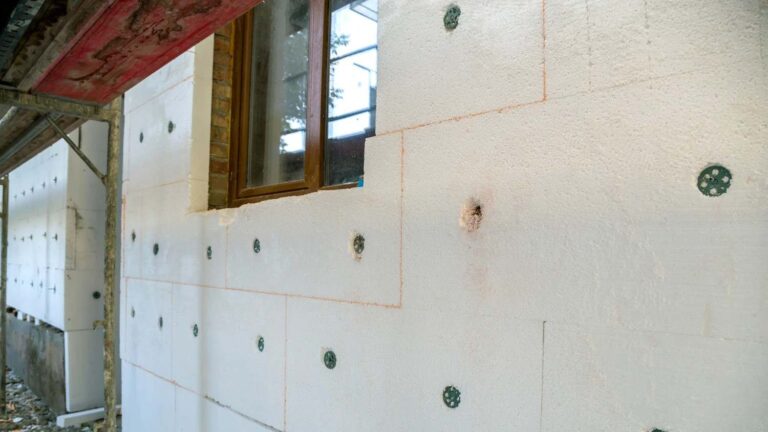
How Rigid Boards Help Control Heat Flow
Torres Insulation Inc. installs rigid board insulation Los Angeles to help slow heat flow through planned parts of a building. These firm panels form an insulation layer within the wall, roof, or floor design. Their performance depends on the board type, thickness, and fit.
Continuous insulation means a layer that runs across framing, rather than sitting only between studs. This helps limit heat passing through the frame. Boards alone do not always block air or moisture. Those roles depend on the full design, joint details, and products used.
Key Features of a Rigid Insulation Board
- Firm shape helps installers cut and fit panels to the planned layout.
- Set thickness helps the team match the board to the space.
- Insulation value shows how well the product resists heat flow.
- Board facings vary by product and affect its suitable uses.
- Joint details help connect boards into the planned insulation layer.
How We Plan and
Install Rigid Boards
Torres Insulation Inc. plans rigid board insulation Los Angeles projects around the drawings and work scope. Board type, thickness, and fixing details guide the estimate. Clear plans help define the work before installation starts.
Each stage needs care to keep the layer complete. Flat surfaces, close joints, and sound fixings help boards fit the design and support the planned assembly.
Steps in the Installation Process
A rigid board insulation project follows a clear sequence from plan review to final fixing. Each step in our process supports proper board placement and coordination with other trades.
Review Project Specifications
Installers review drawings to confirm board type and thickness. The plans show how the boards fit with other building layers.
Prepare the Surface
Surface checks reveal bumps, gaps, and loose areas. The crew addresses these issues so boards sit flat against a sound base.
Plan the Board Layout
A clear layout helps limit cuts and waste. Careful panel placement keeps board edges close and reduces gaps.
Treat the Board Joints
Project details guide the choice of joint treatment. Compatible tape or sealant connects edges where the design requires it.
Coordinate With Other Trades
A shared schedule helps each trade plan its work. Clear updates keep crews aware of which areas they can access.
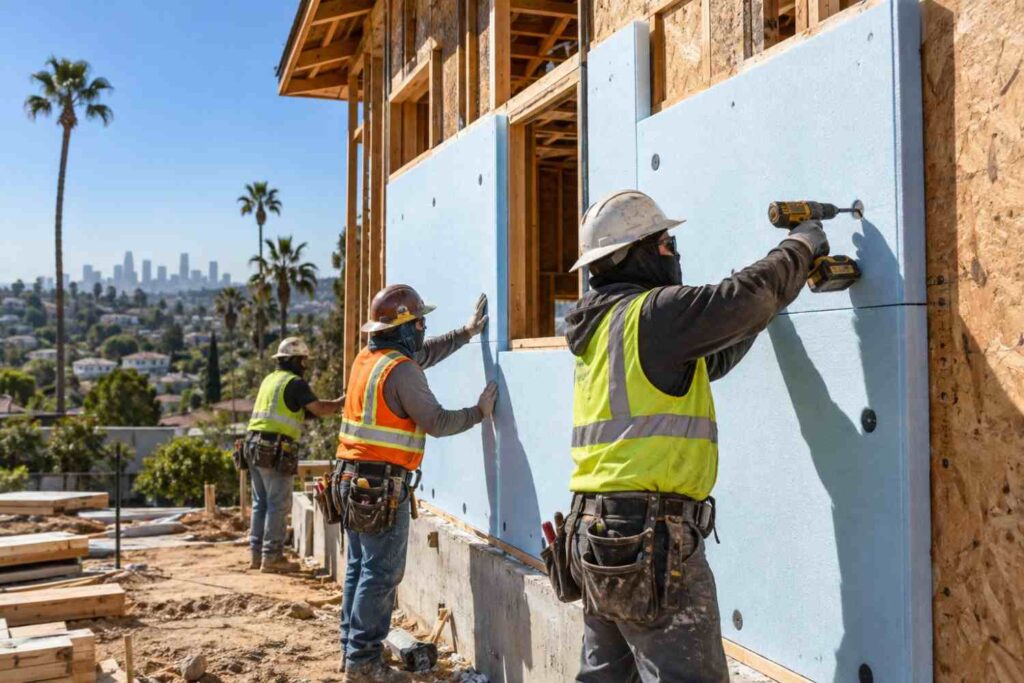
Secure Boards to Specification
The crew follows the fixing type and spacing shown in the plans. Correct placement holds each board in its planned position.
Where Can Rigid Board Insulation Be Installed?
Torres Insulation Inc. reviews rigid board insulation Los Angeles projects based on building plans and product needs. Board type, moisture exposure, and fixing details help determine suitable locations.
Each area needs a suitable approach. Discuss the proposed use before planning rigid board insulation installation.
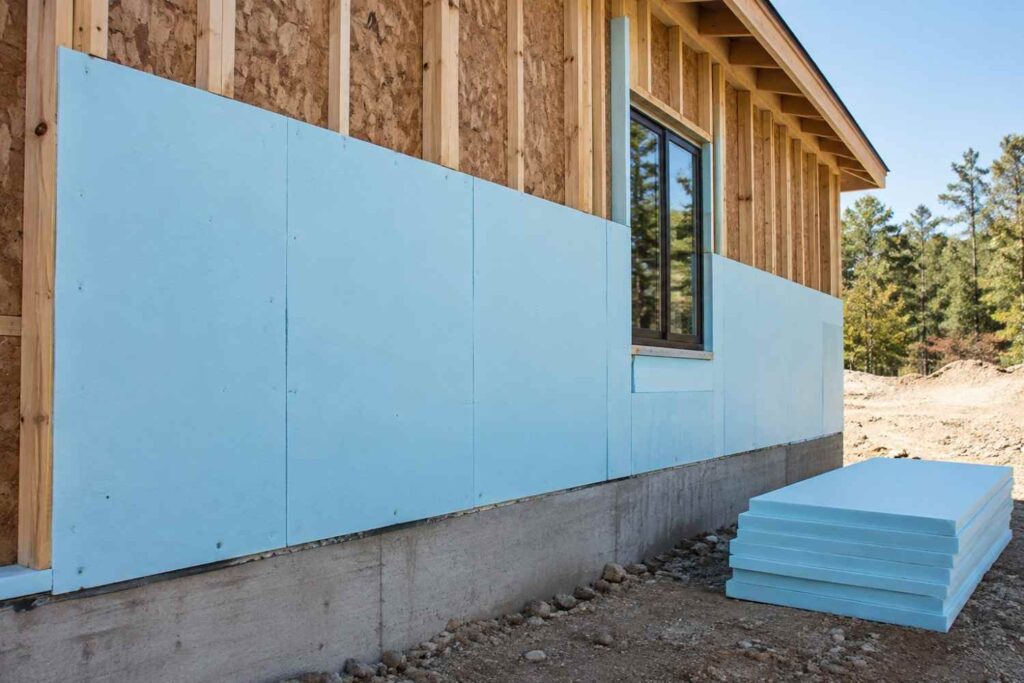
- Exterior Walls: Suitable boards can form a continuous layer across framing. The layout must account for siding, windows, and doors. Business projects may also need commercial insulation.
- Roof Assemblies: Board choice and attachment depend on the roof design. If the project includes attic work, discuss attic insulation as a separate service.
- Foundations and Floors: Moisture and weight loads affect board choice. For work beneath floors, explore subfloor insulation and confirm which materials suit the space.

Benefits of Rigid Boards for Your Project
Torres Insulation Inc. installs rigid board insulation Los Angeles based on project plans. A continuous board layer helps slow heat flow through framing. This adds coverage beyond the spaces between studs.
A suitable rigid insulation board can also help where space is tight. Its insulation value depends on the product and thickness. The right choice must suit the building design.
How Board Insulation Supports Building Plans
Project plans define the benefits that insulation rigid board products can provide.
- Continuous Coverage Across Framing - A board layer helps reduce heat flow through the frame itself.
- Performance in Limited Depth - Some boards provide useful insulation value where space limits the layer’s thickness.
- Compatibility With Commercial Assemblies - Suitable products fit planned roof, wall, and deck designs.
- A Firm, Stable Layer - Rigid panels hold their shape when crews fit and secure them as required.
- Specification Compliance - Following the drawings helps crews build the insulation layer for the project.

Why Choose Us for Your Los Angeles Project?
Torres Insulation Inc. brings a family-owned approach to rigid board insulation Los Angeles projects. The business has served Southern California since July 2020. The person who prepares your estimate stays connected to the crew carrying out the work. This gives you a clear point of contact for plans, schedules, and questions.
For rigid board insulation installation, our professional team handles site preparation, fitting, and cleanup. The business serves homeowners, contractors, and commercial clients. Check our service areas to confirm coverage for your location. A free estimate helps you understand the planned scope before booking.
Installation That Follows Your Project Plans
Torres Insulation Inc. follows the drawings for rigid board insulation Los Angeles projects. The plans guide board type, thickness, joint treatment, and fixings. When a detail needs clarification, the crew asks before moving ahead.
Each rigid insulation board must fit the planned layout. Clear schedules help the crew coordinate with other trades and keep work moving. Ask for insulation project photos to see examples of completed work.
The company reports a 95% first-inspection pass rate across its projects. This figure reflects company-reported results across all project types, rather than rigid board work alone.
Request a Rigid Board Insulation Estimate
Plan your rigid board insulation Los Angeles project with Torres Insulation Inc. Share your drawings, site location, and work needs to help define the scope. Include the board type and thickness if your plans list them. These details help the crew understand the planned installation and prepare a clear estimate.
Contact us to discuss your project and request a free estimate. Let the crew know about site access, other trades, and your preferred schedule. Ask questions about the proposed work before booking. A clear plan helps you understand what the estimate covers and how the installation fits your project.
Common Questions About Rigid Board Insulation
How does rigid board insulation differ from batt insulation?
Rigid boards form firm panels that crews cut and secure in place. Batts fit between framing members, such as wall studs. Both slow heat flow. The right choice depends on the building design, available space, and insulation needs.
Which rigid insulation board suits my project?
The right board depends on its planned use. Thickness, insulation value, moisture exposure, and load requirements all affect the choice. Check the project drawings and product details. A board that suits one area may not suit another.
Does rigid board insulation also seal air leaks?
Some board systems can help control air leaks when crews seal joints, edges, and openings correctly. Boards alone do not seal every gap. Air control depends on how the whole system connects with windows, doors, and other building layers.
Can rigid board insulation be left exposed?
Not all boards suit exposed use. Some need a protective covering, depending on the product, location, and building requirements. Check the manufacturer’s instructions and project plans before leaving boards uncovered. The complete assembly must meet the applicable requirements.
What should I provide for an installation estimate?
Share your drawings, project location, dimensions, and planned building assembly. Include board specifications if available, plus site access details and preferred timing. Torres Insulation Inc. can review the information and explain which further details the estimate needs.
Other Services
Send Your Drawings for a Rigid Board Estimate
Rigid board pricing depends on the assembly, the board specified, and the area to be covered. Send the drawings and the estimate will reflect what is actually detailed.