
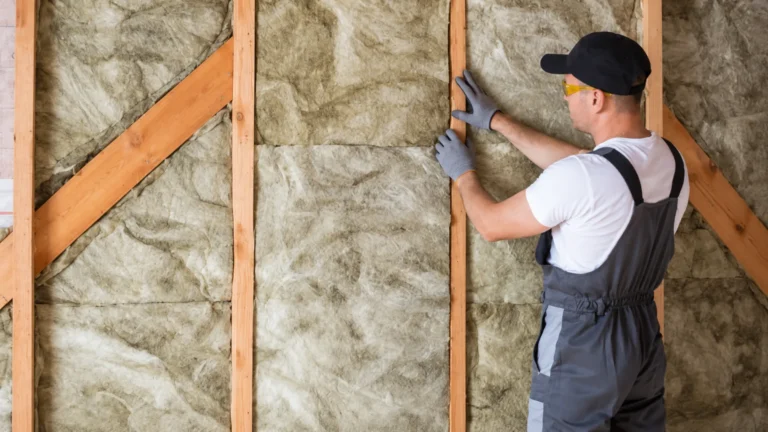
What Insulation Repair Covers
Insulation repair addresses localised problems rather than replacing everything in the space. That might mean refitting batts that have fallen, replacing a section damaged by a roof leak, or restoring depth in areas that have been disturbed.
The decision between repair and replacement comes down to how widespread the problem is. Where damage is contained and the surrounding material is sound, repair is usually the more sensible route, and the assessment will say so plainly.
Who Is This Service For?
Repair suits properties with localised rather than widespread damage.
- Homes with fallen or sagging insulation
- Areas damaged by a roof or plumbing leak
- Attics disturbed by previous trades
- Properties with localised pest damage
- Anyone unsure whether replacement is necessary
What to Expect From an
Insulation Repair Assessment
The assessment comes first and covers more than the visible damage, since problems in insulation usually point to a cause elsewhere. Water damage in particular means something above needs attention before new material goes in.
You are told what is repairable, what is not, and what the difference in cost looks like between the two routes.
How the Work Is Carried Out
Here is the sequence on a typical repair job.
Damage assessment
The affected area is inspected along with the surrounding material to establish the extent.
Cause identification
Water, pest, or physical damage is traced so the underlying issue is flagged rather than covered.
Repair or replace Proposal
You are given an honest read on whether a repair will hold or whether replacement makes more sense.
Removal of affected material
Damaged insulation is taken out and bagged rather than left in place under new material.
Restoration
New material is fitted to match the surrounding R-value and secured properly.
Cleanup
The work area is cleared and access routes are cleaned before the crew leaves.
How Insulation Repair May Help Your Property
Restoring a damaged section may bring the affected area back to the performance level the rest of the space is already achieving. Gaps and fallen sections often account for a disproportionate share of the temperature problem in a room.
Repair also costs considerably less than full replacement where the surrounding material is sound, which matters when the damage is confined to one part of the property.
What Property Owners Commonly Notice
These are the outcomes reported most often after repair work.
- Improved comfort in the affected room — Restoring coverage may address temperature problems that appeared after damage occurred.
- Lower cost than full replacement — Targeted repair may resolve the issue without stripping sound material.
- Underlying issues identified — Leaks and pest access points are flagged rather than sealed over.
- Consistent R-value across the space — New material is matched to the surrounding insulation rather than mismatched.
- A clear answer either way — The assessment tells you honestly whether repair will actually hold.
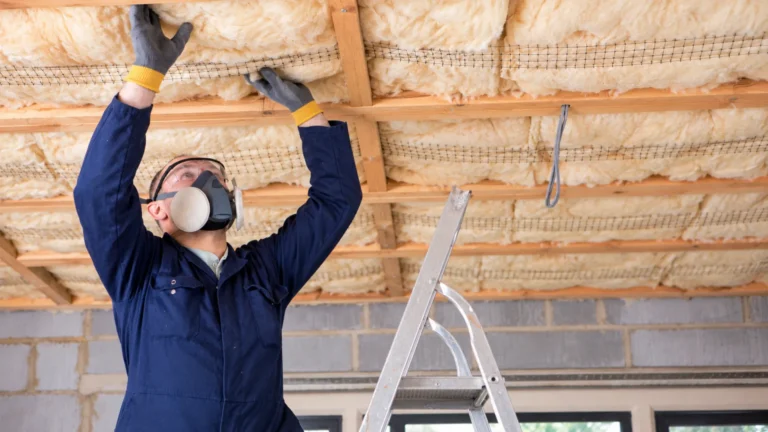
Insulation Repair at Torres Insulation Inc.
The easiest sale in this industry is telling a homeowner everything has to come out. That is often not true, and quoting a full replacement where a repair would serve is not how this business operates.
Assessments cover the cause as much as the symptom. Fallen batts, damp material, and disturbed insulation all point somewhere, and identifying that is more useful than simply putting new material over the top.
Where repair genuinely will not hold, that gets said directly, along with the reasoning and the cost difference between the two approaches.
Common Questions About Insulation Repair
Should I repair or replace my insulation?
Repair usually makes sense where damage is localised and the surrounding material is dry, clean, and sound. Replacement is the better route where problems are widespread, contamination is present, or material has settled throughout. An assessment is the only reliable way to determine which applies to your property.
Why has my attic insulation fallen down?
Fallen or sagging insulation is often caused by moisture, inadequate original fastening, or disturbance from work carried out in the space. In subfloor and ceiling applications, poor fixing is the most common reason. Identifying the cause matters, because refitting material without addressing it usually produces the same result again.
Can insulation damaged by water be repaired?
Wet insulation generally needs removing rather than drying in place, since it loses performance and can lead to further problems. The source of the water has to be addressed before new material goes in. If the damage is confined to one area, a targeted repair is often possible once the leak is resolved.
How much does insulation repair cost?
Cost depends on the size of the affected area, the material involved, and whether removal is required first. Repairs are generally considerably less expensive than full replacement. Estimates are free, so the figure comes from an assessment rather than a phone conversation.
Can you repair insulation damaged by pests?
Material affected by pests generally needs removing rather than repairing, since contamination does not resolve on its own. Whether that means a section or the whole space depends on how far the activity spread. Pest access points should also be addressed, and those are flagged during the assessment.
Other Services
Get an Honest Assessment of Your Insulation
If something has fallen, leaked, or been disturbed, the useful first step is finding out how far the problem actually goes. The assessment and estimate cost you nothing.