
Crawl Space Insulation Cost in Southern California: What Homeowners Should Know
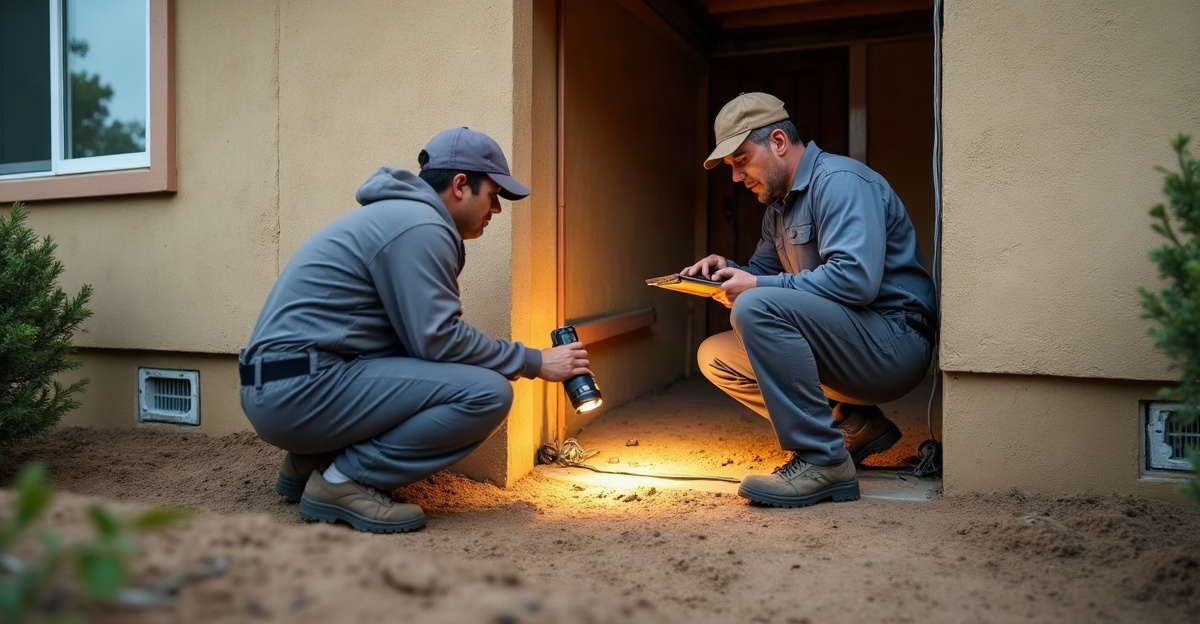
Crawl space insulation costs in Southern California vary based on access, existing damage, moisture levels, material selection, required R-value, and needed removal or repairs. We start with a detailed inspection to determine whether the project requires subfloor insulation, crawl space wall insulation, air sealing, or moisture-control work before installation begins.
Key Takeaways
- Low-clearance crawl spaces, limited entry points, wet insulation, pest damage, and duct or framing issues can increase labor costs and expand the project scope.
- R-value measures resistance to heat flow. Proper installation, air sealing, and moisture protection also affect insulation performance.
- Fiberglass batts, mineral wool, rigid foam board, and closed-cell spray foam work best in different crawl space conditions and budget ranges.
- We address moisture sources, plumbing leaks, drainage issues, and pest entry points before installing new insulation.
- Compare estimates by confirming the insulation type, R-value, installation area, removal, cleanup, access limits, repairs, and exclusions.
What Drives Crawl Space Insulation Cost in Southern California
Crawl space insulation cost in Southern California depends on far more than square footage. A reliable crawl space insulation estimate accounts for the space’s size, access height, existing insulation, moisture or pest damage, air leaks, material choice, required R-value, cleanup, removal, and needed repairs.
We don’t use one fixed under-house insulation cost for every property. A clean, accessible crawl space with sound framing requires a different scope than a low-clearance area with wet insulation, duct damage, or limited entry. Local labor rates, California requirements, and property conditions also affect crawl space insulation cost in Los Angeles County, Orange County, and areas near Riverside.
Access often has a major effect on labor. Crews need room to remove materials, prepare surfaces, seal gaps, carry insulation into the area, and install it securely. A shallow crawl space can require additional time even when the total area is modest.
We inspect the existing conditions before recommending work. This approach helps homeowners understand what the project includes and prevents unexpected scope changes after installation begins.
Crawl Space Conditions That Can Increase the Scope of Work
Insulation should not cover up unresolved crawl space problems. Wet materials, standing water, plumbing leaks, pest activity, mold-like growth, damaged ducts, and structural concerns need attention before new insulation goes in.
Old insulation may require removal if it is sagging, compressed, wet, contaminated, falling down, or damaged by pests. A complete scope for insulation removal should state whether it includes bagging, disposal, crawl space cleanup, and surface preparation.
Moisture is especially important. Wet crawl space insulation can lose performance and may create conditions that lead to repeat damage. We identify likely moisture sources first, including plumbing leaks, drainage issues, or ground moisture. Pest entry points should also be addressed before new materials are installed.
Corrective work may involve plumbing repairs by the appropriate trade, drainage improvements, duct repairs, pest exclusion, or a structural evaluation. If framing or existing insulation supports need repair, our insulation repair services can address the insulation-related portion of the work once the underlying issue is resolved.
Insulation Materials and R-Value: What Homeowners Are Paying For
R-value measures resistance to heat flow. A higher R-value provides greater resistance, but final performance also depends on proper installation. Gaps, compressed batts, missing supports, air leakage, and moisture exposure can all reduce results.
Fiberglass batt insulation is common for subfloors. It can be a practical choice when crews install it at the required depth, support it correctly, and protect it from conditions that could cause sagging or moisture damage. Our fiberglass insulation services include an evaluation of whether batts fit the existing floor assembly.
Mineral wool is a denser batt insulation that may suit certain subfloor applications. Available cavity depth, the assembly design, and crawl space conditions determine whether it is appropriate.
Rigid foam board is panel insulation that may be used on crawl space walls or perimeter areas. Seams and edges may need sealing to reduce air leakage. A rigid board insulation scope should identify the board type, thickness, placement, and sealing details.
Closed-cell spray foam is spray-applied insulation that cures into a dense, rigid material. It can provide insulation and help reduce air leakage when correctly applied. Its cost and application requirements differ from batt or board products, so we evaluate each space before recommending closed-cell spray foam.
No single material fits every crawl space. Fiberglass, mineral wool, rigid board, and spray foam each involve tradeoffs related to access, moisture exposure, budget, and the existing assembly.
Subfloor Insulation, Crawl Space Walls, and Air Sealing Are Different Scopes
Subfloor insulation is installed beneath the living area floor. It is often considered when floors above the crawl space feel uncomfortable or when the subfloor needs added resistance to heat flow. Our subfloor insulation service focuses on the materials and installation details needed below the home.
Crawl space wall insulation, also called crawl space perimeter insulation, follows a different approach. It is installed along the perimeter walls rather than directly below the floor. The right location depends on crawl space design, ventilation, moisture conditions, and the existing construction.
Air sealing is another separate scope. It addresses gaps around plumbing and electrical penetrations, framing transitions, ducts, and other openings where outside air can enter. Insulation slows heat flow, while air sealing limits unwanted air movement. For additional context, review the purpose of insulation.
Vapor-control work may be appropriate where ground moisture is a concern. It is not automatically required in every crawl space. We assess the ground condition, drainage, ventilation, and moisture sources before including a crawl space vapor barrier or similar work in the estimate.
How to Compare Crawl Space Insulation Estimates
A detailed crawl space insulation quote makes it easier to compare proposals fairly. The estimate should identify the material, proposed R-value, installation area, labor, access limitations, and all related work.
Items a Clear Estimate Should Identify
Before selecting a crawl space insulation contractor, confirm that each proposal addresses the same work:
- Insulation type, location, and proposed R-value
- Square footage or linear footage where applicable
- Removal and disposal of old insulation
- Surface preparation and support materials for batt insulation
- Crawl space air sealing and vapor-control work, if included
- Cleanup, access limitations, repairs, and exclusions
Ask whether the contractor found moisture, plumbing, pest, duct, mold-like growth, or structural concerns that should be addressed before installation. Differences in these conditions often explain why estimates vary.
California crawl space insulation requirements and local rules may affect material selection and installation details. We evaluate applicable requirements for the property rather than assuming one R-value or method works for every home. For a clearer view of the work sequence, read our insulation installation process.
Proper insulation may improve comfort and heat-flow resistance, but results vary with HVAC performance, duct leakage, windows, air sealing, and other building conditions. A site assessment supports a more accurate recommendation.
When a Crawl Space Assessment Makes Sense
A crawl space insulation assessment makes sense when insulation is missing, sagging, wet, damaged, or contaminated. It is also appropriate when floors feel unusually cold or warm, musty odors appear, pests are active, plumbing leaks are present, or access is limited.
Crawl space insulation can help improve the conditions below the home, but it does not resolve every comfort complaint. Hot rooms, cold floors, humidity concerns, and uneven temperatures may also involve ducts, HVAC equipment, windows, or air leaks elsewhere in the structure.
Crawl space work differs from attic insulation. Both can affect comfort and energy use, but each area needs its own evaluation. Homeowners can find answers to common concerns in our insulation questions guide.
We provide property-specific insulation scopes in verified service areas, including Los Angeles County, Orange County, and areas near Riverside. Request a Free Estimate to review crawl space conditions, material options, and the work needed for the property.