
What Attic Insulation Involves
Attic insulation slows heat moving from the roof space into the rooms below, which is why it has more effect on comfort than any other single upgrade in a single storey or two storey tract home. Loose fill and batts are the common systems, with spray foam used where the assembly limits depth.
Tract homes present a useful advantage here. Because these properties were built to consistent plans, what is found in one attic is often a reliable guide to what is happening across the street.
Who Is This Service For?
Attic insulation suits Torrance homes that have never been meaningfully upgraded.
- Owners of 1950s and 1960s tract homes — Original insulation from this period is usually well below current expectations.
- Homeowners with one room that never cools — Uneven attic coverage is a frequent cause.
- Properties with later additions — Additions often have different insulation from the original structure.
- Homes with attic storage — Storage compresses insulation and reduces its performance underneath.
- Anyone planning a renovation — Attic work is easier before other trades arrive.
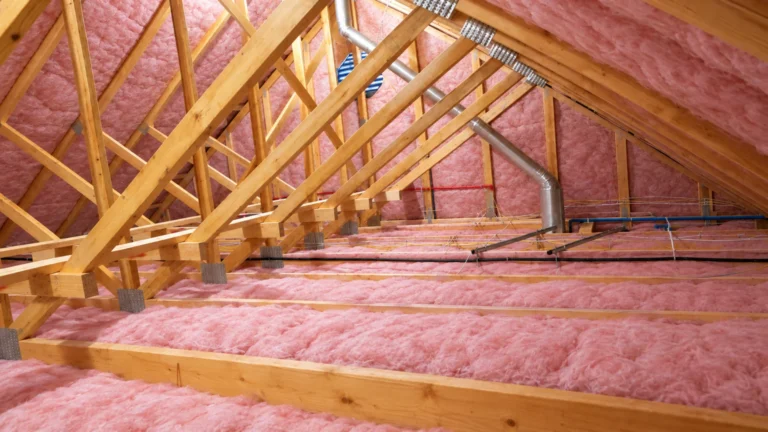
What Attic Insulation Covers for Torrance Homes
The assessment measures depth across the attic and checks whether later additions differ from the original build. Those additions are where coverage most often falls short, since they were insulated separately and sometimes to a different standard.
Storage is assessed at the same time, because material compressed under boards and boxes performs well below its rating.
What the Assessment Covers
The assessment sets the scope rather than confirming a price already fixed.
- Depth across the whole attic — Coverage is measured in several areas rather than at the hatch.
- Original build versus additions — Later extensions are checked separately, since they frequently differ.
- Storage compression — Areas flattened by boards or belongings are identified and accounted for.
- Material condition — Moisture, pest disturbance, and degradation are checked before anything new is specified.
- Ventilation and clearances — Vents and fixtures requiring clearance are identified upfront.
What the Installation Includes
The work follows a consistent sequence once the scope is agreed.
- Property protection — Access routes and floors are covered before anyone goes into the attic.
- Removal where required — Damaged, damp, or contaminated material is bagged and removed first.
- Installation to target R-value — New material is installed to an agreed depth, commonly R30 to R49.
- Consistent coverage — Material is worked toward the eaves and across additions, not just the main area.
- Storage considerations — Options for retaining usable storage without flattening insulation can be discussed.
- Cleanup and walkthrough — The space is cleared and you are shown what was installed and where.
How Attic Insulation May Benefit Your Torrance Home
Bringing a tract home attic up to an appropriate depth may reduce how much heat reaches the rooms below through the afternoon. Where later additions were the weak point, addressing those often produces the most noticeable change.
The size of the improvement depends on how far the current insulation sits below standard, which the assessment establishes before pricing.
What Torrance Homeowners Commonly Report
These are the outcomes reported most often after attic work in local homes.
- The problem room becoming usable — Addressing uneven coverage may resolve the one room that never behaved.
- More even temperatures throughout — Consistent depth may narrow the gap between rooms.
- Support for energy efficiency — Cooling systems may work less hard when the attic performs properly.
- Additions brought up to standard — Later extensions often gain the most from the work.
- Confidence at inspection — Correct depth and coverage are what an inspector checks.
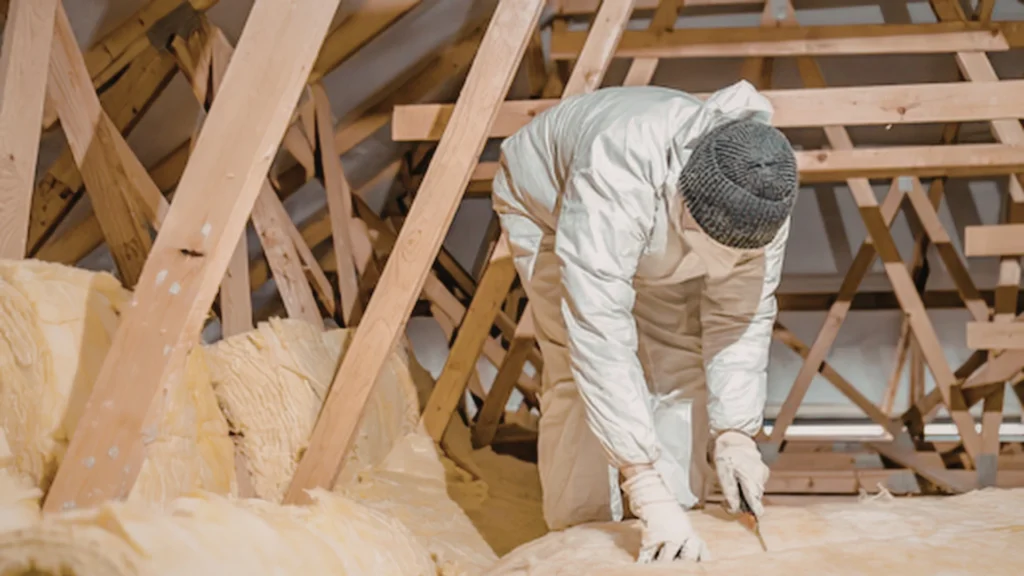
Attic Insulation at Torres Insulation Inc.
The most common failure in tract home attics is coverage that stops where access becomes awkward. Additions, low eaves, and areas behind ductwork get skipped, and the rooms underneath those areas are exactly the ones homeowners complain about.
Assessment and installation both account for the whole footprint rather than the accessible middle, and depth is verified as work progresses.
Work happens in occupied homes, so access routes are protected before anyone goes up and the space is cleared before the crew leaves. The company reports a 95% first-inspection pass rate across its projects.
Common Questions About Attic Insulation in Torrance
How much does attic insulation cost in Torrance?
Cost depends on attic square footage, the R-value targeted, and whether removal is required first. Homes of similar size can differ considerably once removal or a later addition enters the scope. Estimates are free and based on measuring the actual attic.
My Torrance home is a 1950s tract build. What R-value should the attic be?
Attic targets commonly fall between R30 and R49, and original insulation from that era typically measures well below that range. The right figure depends on the property and how it is used. Your current depth is measured during the assessment.
Does the addition on my Torrance home need separate attic insulation?
Additions were insulated separately from the original structure and frequently to a different standard, so they are assessed on their own. Coverage over an addition is a common weak point. Both areas are measured before a scope is quoted.
Can I keep using my Torrance attic for storage after insulation?
Storage compresses insulation and reduces its performance in those areas. Options for retaining usable storage while maintaining insulation depth can be discussed during the assessment. What works depends on the attic layout and how much storage you need.
How long does attic insulation take in a Torrance tract home?
Most tract home attics are completed within a day once the scope is agreed. Removal beforehand extends that, since containment and extraction add time. Contact us for current scheduling and project availability.
Get Your Torrance Attic Measured
for Free
If your home dates from the tract housing era and the attic has never been touched, measuring it is the practical starting point. The assessment and estimate cost you nothing.