
Cellulose vs Fiberglass Insulation: Which Is Better for Your Home?
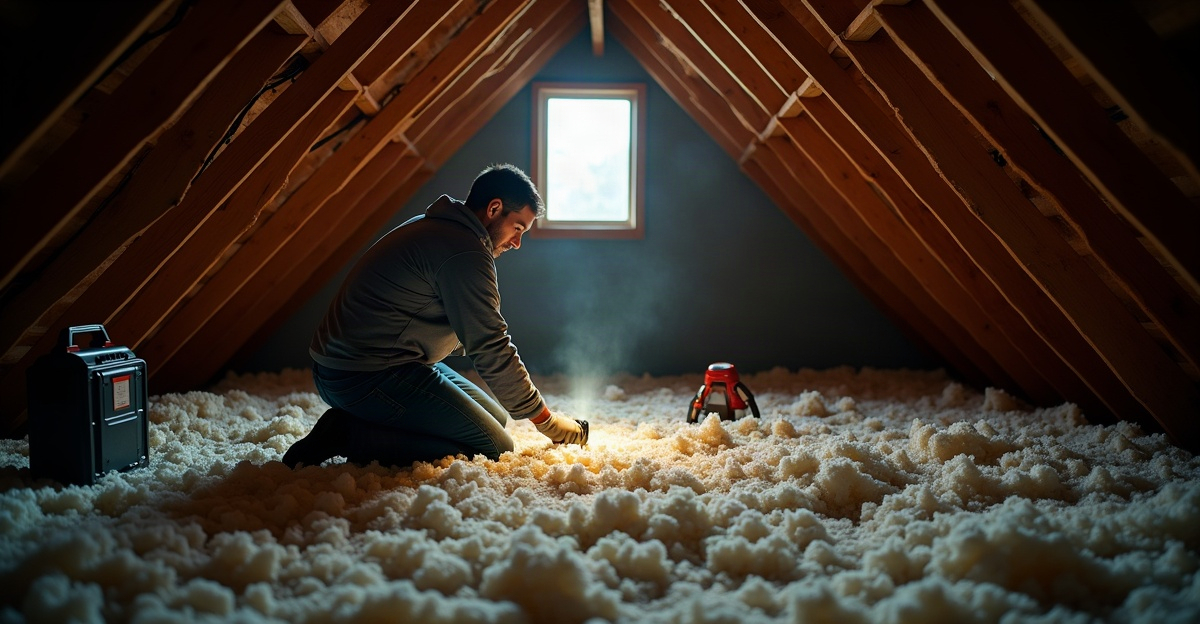
We choose cellulose or fiberglass insulation based on a home’s attic conditions, access, moisture history, existing insulation, and required R-value. R-value measures resistance to heat flow. Blown-in cellulose and fiberglass often work well for attic upgrades. Fiberglass batts usually suit accessible walls, floors, additions, and ADU framing.
Key Takeaways
- Cellulose and fiberglass both perform well when we match the material and installation method to the project conditions.
- Blown-in cellulose and fiberglass cover many attic obstructions. Fiberglass batts fit open, accessible framing cavities.
- Insulation depth depends on the target R-value, available space, local requirements, and building assembly.
- Insulation can’t fix active roof leaks, moisture damage, ventilation issues, duct problems, or major air leaks.
- We inspect existing insulation for wetness, contamination, mold damage, compaction, and suitability before adding new material.
The Practical Answer: Cellulose and Fiberglass Both Work When Matched to the Right Project
Cellulose vs. fiberglass insulation is not a one-material decision. Cellulose and fiberglass can both be appropriate insulation options, but their fit depends on the installation method and building conditions.
For Southern California property owners, renovators, ADU owners, contractors, and project managers, the right choice depends on attic condition, available space, moisture history, existing insulation, access, budget, installation method, and project requirements. An attic upgrade calls for a different approach than an addition, ADU, wall cavity, or active construction project.
This insulation material comparison provides a practical starting point:
- Material form: Cellulose is commonly loose-fill material. Fiberglass is available as loose-fill blown-in insulation and pre-cut batts.
- Typical applications: Loose-fill cellulose and blown-in fiberglass often suit attic upgrades. Fiberglass batts often suit open walls, floors, additions, and accessible framed cavities.
- Installation approach: Loose-fill materials require blowing equipment. Batts are placed into open framing cavities by hand.
- Coverage around irregular areas: Blown-in materials can fill around many attic obstructions and uneven spaces. Batts work well where framing is open, clear, and accessible.
- R-value considerations: Each material requires the appropriate installed depth or thickness to reach the intended resistance to heat flow.
- Settling and compaction: Loose-fill depth should follow the specified product and project requirements. Existing insulation should be checked for compaction before new material is added.
- Moisture considerations: Neither material corrects active roof leaks, moisture damage, or ventilation problems.
- Attic access and cleanup: Tight access, existing debris, contamination, and work-area protection can affect the project scope.
- Cost and scope variables: Access, removal, air sealing, preparation, material type, depth, disposal, and coordination can all affect an estimate.
Two insulation estimates may recommend different materials or scopes because the attics and project needs differ. That does not automatically mean one insulation material is better than the other. We evaluate the structure, then recommend a scope that fits the work.
Cellulose, Blown-In Fiberglass, and Fiberglass Batts: What We Are Actually Comparing
Cellulose is commonly installed as loose-fill or blown-in insulation in attics. It can provide dense coverage across attic floors and around many obstructions. Manufacturers commonly make it with recycled paper content treated for fire and pest resistance.
Those treatments do not make cellulose fireproof, pest-proof, or mold-proof. Cellulose also does not solve active leaks, wet framing, or other moisture problems. We address those conditions before recommending new insulation.
Blown-in fiberglass is also loose-fill material installed with blowing equipment. It is often used for attic insulation where broad, consistent coverage is needed. Fiberglass is inorganic, and it can be a practical choice in attic applications and certain open cavities.
Fiberglass batts are pre-cut, blanket-like pieces. They are commonly installed in accessible wall cavities, floors, ceilings, additions, and ADU framing. For projects with open framing, fiberglass batt insulation can provide a straightforward installation method.
Blown-in fiberglass is not the same as fiberglass batts. Both use fiberglass, but their forms and installation methods differ. For attic projects, we may recommend blown-in insulation when loose-fill coverage makes sense. For open framing, batts may fit the work more effectively.
Neither fiberglass nor cellulose fixes air leakage, roof leaks, inadequate ventilation, duct problems, or contaminated insulation. Loose-fill insulation can settle or compact to some degree, depending on the specified product and application. We account for material requirements and installed depth rather than claiming that any material never changes over time.
R-Value, Insulation Depth, and Why the Right Level Depends on the Home
R-value measures resistance to heat flow. A higher R-value generally means greater resistance to heat moving through the insulation, but a higher number is not automatically the right answer for every attic or wall.
R-30, R-38, and R-49 are commonly discussed insulation levels. They are not blanket recommendations for every Southern California home, project, or jurisdiction. The appropriate target depends on the building assembly, available space, climate zone, local code requirements, attic conditions, and inspection expectations.
Required insulation depth changes by material and target R-value. Loose-fill cellulose, blown-in fiberglass, and fiberglass batts reach insulation levels differently because their installed forms differ. We inspect the attic or review project plans before recommending a final depth and scope.
Insulation slows heat flow. That is the main purpose of insulation, but insulation alone may not solve every comfort concern. Duct leakage, poor ventilation, roof conditions, gaps around openings, and other building conditions can also affect indoor temperatures.
Local requirements can vary by jurisdiction, scope of work, building assembly, and inspection expectations. We coordinate the insulation work with the project requirements instead of relying on one generic R-value target.
Attic Readiness Matters: Moisture, Air Sealing, Existing Insulation, and Repairs
Attic insulation performs more consistently when the surrounding conditions are addressed first. Gaps around penetrations, recessed fixtures, ducts, attic hatches, and similar openings can allow unwanted airflow into or out of the living space.
Air sealing addresses unwanted airflow. Insulation slows heat flow, while air sealing closes appropriate gaps around penetrations, attic access points, fixtures, ducts, and related openings. These are separate tasks, and an attic may need one, both, or neither depending on the evaluation.
We do not assume every attic needs identical preparation. Still, we do not recommend covering wet, mold-damaged, pest-contaminated, severely compacted, or otherwise unsuitable insulation without an assessment. Damaged roofing, active roof leaks, poor ventilation, contaminated material, duct concerns, and significant air leaks may need correction before or alongside new insulation.
In some cases, insulation removal is the appropriate first step. Removal may be recommended where material is contaminated, wet, severely compacted, or unsuitable for the planned work. It is not required for every attic.
For attics that need preparation, our attic cleanup and air sealing service can address suitable cleanup and airflow-control work before installation. Cellulose and fiberglass can support a properly prepared attic, but neither resolves moisture problems on its own.
How We Evaluate the Scope and Why Insulation Estimates Can Differ
A professional attic evaluation looks beyond the insulation material. We consider current insulation condition and depth, attic access, visible moisture concerns, roof conditions, pest contamination, ductwork, recessed fixtures, penetrations, ventilation, available space, and project plans where applicable.
A complete insulation project may include an attic assessment, review of existing material, recommendations for preparation, material and R-value discussion, work-area protection, dust containment, installation, cleanup, and project coordination. Renovation and inspection work may also require documentation or communication with the broader project team.
Estimate differences often reflect the actual conditions of the property. Removal needs, difficult access, existing insulation condition, air sealing, material type, required depth, ducts, ventilation concerns, disposal, work-area protection, cleanup, and scheduling coordination can all affect the scope. Comparing estimates line by line helps clarify what each company plans to do.
We keep communication clear from assessment through cleanup. Our team handles residential insulation projects as well as work that supports additions, remodels, ADUs, and other active construction. For a clearer view of the process, review our insulation installation process before scheduling an evaluation.
Choosing Insulation for Renovations, ADUs, and Attic Projects
Fiberglass batts may be appropriate for accessible framed cavities in renovations, additions, ADUs, walls, floors, and open framing. For projects that need this approach, our fiberglass insulation service can match the material to the assembly and project scope.
Blown-in cellulose or blown-in fiberglass may be considered for attic applications where loose-fill coverage fits the access and attic conditions. Our attic insulation service begins with the existing space, rather than assuming one product fits every home.
Common Cellulose and Fiberglass Questions
- Is cellulose or fiberglass better for attic insulation? Both can be appropriate. The material and installation method should match attic condition, access, moisture history, required R-value, and project scope.
- Is blown-in fiberglass the same as fiberglass batts? No. Blown-in fiberglass is loose-fill material installed with blowing equipment. Batts are pre-cut, blanket-like pieces installed in accessible cavities.
- Does cellulose insulation settle? Loose-fill insulation can settle or compact to some degree depending on the product and application. Installers should account for the specified material and required depth.
- Can new insulation be added over old insulation? Sometimes. We first assess whether the existing material is wet, mold-damaged, pest-contaminated, severely compacted, or otherwise unsuitable.
- Does insulation fix a hot house on its own? Not always. Air leaks, ductwork, roof conditions, ventilation, windows, and other building conditions may also affect comfort.
- What do R-30, R-38, and R-49 mean? They are commonly discussed R-value levels. The appropriate level depends on the building assembly, project scope, local requirements, and inspection expectations.
- Should old attic insulation be removed before adding new insulation? Removal depends on condition, contamination, moisture, compaction, access, and the planned work.
- Can cellulose or fiberglass help with an ADU or renovation project? Yes. Batts may suit accessible framed cavities, while blown-in options may suit certain attic applications.
For more practical guidance, read our insulation questions and answers. We recommend a site-specific evaluation because attic conditions and project requirements determine the appropriate material and scope. Request a Free Estimate for an attic upgrade, replacement, renovation, or ADU project. Contractors and builders can submit project plans so we can coordinate the insulation scope with the work underway.