
How Much Does Attic Insulation Cost in Los Angeles, CA?
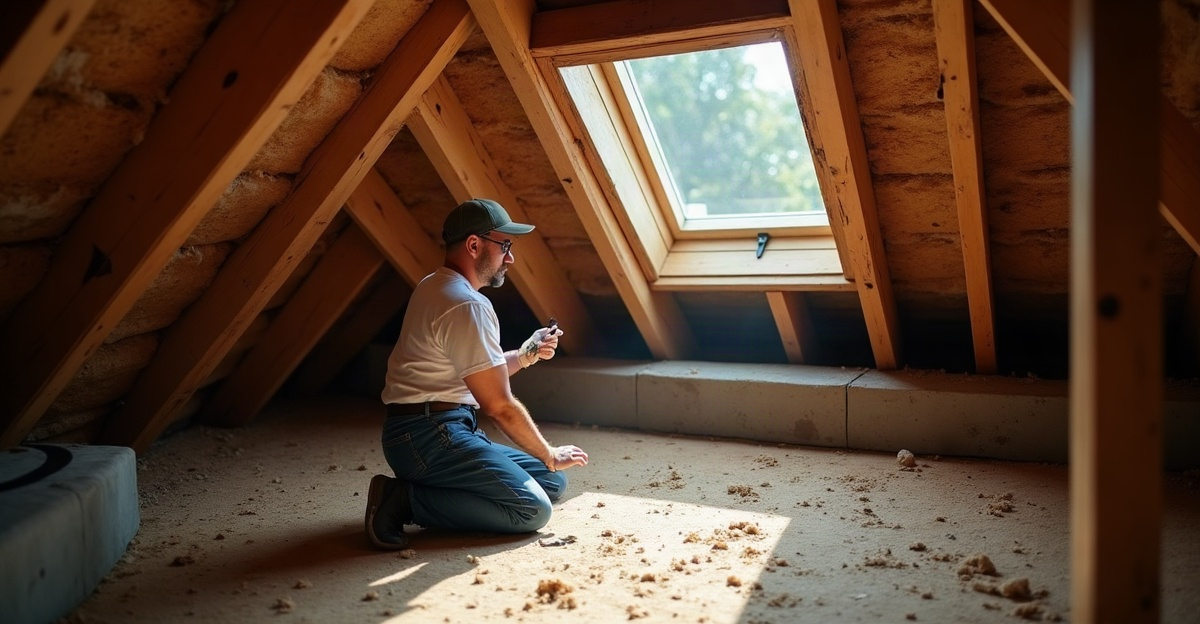
We base attic insulation costs in Los Angeles on our attic’s size, access, existing insulation condition, material choice, and target R-value. R-value measures resistance to heat flow. A clear estimate identifies installation, removal, cleanup, air sealing, and preparation for older homes, ADUs, or complex attic layouts.
Key Takeaways
- Our attic size, low clearance, tight access, ductwork, wiring, and irregular framing can affect labor and material costs.
- Fiberglass batts, blown-in insulation, mineral wool, rigid board, and spray foam each have distinct pricing and installation needs.
- We may need to remove old insulation if it is wet, contaminated, pest-damaged, mold-affected, heavily compressed, or incorrectly installed.
- Air sealing closes gaps that let unconditioned air enter our home. Estimates may include it or list it as a separate service.
- We recommend comparing written quotes for insulation type, R-value, coverage area, removal, disposal, cleanup, access preparation, and project coordination.
What Determines Attic Insulation Cost in Los Angeles
Attic insulation cost in Los Angeles depends on the actual attic conditions, not a single flat rate. Each property has its own square footage, access conditions, existing insulation, material needs, and work scope.
Base attic insulation pricing generally covers the planned insulation material and installation labor. Additional work may include old insulation removal, bagging, hauling, disposal, attic cleanup, sanitization, air sealing, repairs, ventilation-related work, and access preparation. A clear proposal should separate these items or state exactly what is included.
Los Angeles homes often have older construction, additions, ADUs, unusual attic layouts, and limited access points. These conditions can change the cost to insulate attic spaces. A small attic with difficult access may require more preparation than a larger open attic.
Insulation can support more consistent indoor temperatures and reduce heat movement through the ceiling. Still, results vary. Existing insulation levels, air leaks, HVAC performance, ductwork, windows, roof conditions, and installation quality all affect the outcome. Our guide to insulation’s purpose explains how insulation works within the home.
The Main Factors That Affect Your Insulation Estimate
Attic size and layout have a direct effect on material quantities and labor. Larger attic areas usually need more insulation. Low-clearance sections, split-level spaces, irregular framing, and difficult crawl paths can also add time to the project.
R-value is another key factor. R-value measures resistance to heat flow. A higher R-value generally provides greater resistance to heat movement, though the right target depends on the existing assembly, local requirements, project type, and site conditions. R-30, R-38, and R-49 are common terms in attic insulation discussions. No single R-value automatically meets every code requirement or assures inspection approval, so project-specific requirements should be confirmed with the applicable jurisdiction and contractor.
Existing insulation can also affect pricing. Material that is wet, contaminated, compressed, pest-damaged, mold-affected, or improperly installed may need further assessment before new insulation goes in.
Access and obstructions matter as well. Tight attic hatches, ductwork, wiring, recessed fixtures, framing, stored items, and limited crawl paths can require extra preparation and careful installation planning.
The project type also changes the estimate. Insulation replacement differs from new construction, renovations, additions, ADUs, multifamily buildings, and commercial projects. Plans, permits, jobsite coordination, trade sequencing, and inspection preparation may all affect the proposed scope.
How Insulation Material Choices Affect Pricing and Scope
The right insulation material depends on attic design, desired performance, budget, existing conditions, and project requirements. No one product fits every attic.
Fiberglass batts are pre-cut panels often installed where framing bays are open and accessible. They can fit well in assemblies that call for batt-based insulation. Our fiberglass insulation services can be used for appropriate residential and construction applications.
Blown-in insulation is loose-fill material installed across attic floor areas to create consistent coverage and depth. It can work well in irregular spaces and may be useful where existing insulation conditions allow installation over the current material. Learn more about blown-in insulation options for attic projects.
Mineral wool is a denser batt material with different performance characteristics and installation considerations. Rigid board insulation uses board-style panels and may be used in specific assemblies requiring continuous coverage or a particular design approach.
Open-cell spray foam expands to fill cavities and may suit certain applications where air-sealing characteristics are part of the planned work. Closed-cell spray foam is denser and has different moisture and structural characteristics. It may be appropriate for certain assemblies and scopes. Our spray foam insulation services begin with a review of the attic assembly and project needs.
When Old Attic Insulation May Need Removal First
New insulation can sometimes be installed over existing material. That approach may work when the current insulation is dry, reasonably clean, properly placed, and suitable for the planned scope.
Removal or further assessment may be needed when insulation is wet, mold-affected, pest-damaged, contaminated, heavily compressed, or improperly installed. An on-site review helps us determine whether removal, cleanup, sanitization, repairs, or further evaluation is appropriate. We do not diagnose mold, pests, moisture damage, or structural concerns remotely.
Insulation installation and insulation removal are separate parts of a project unless the written proposal states otherwise. Removal costs may include bagging, hauling, disposal, attic cleanup, access preparation, and work related to moisture or pest concerns. Our insulation removal service can address old material when the attic conditions call for it.
Air sealing should also be clearly defined in the estimate. Air sealing means closing gaps and openings that allow unconditioned air to move between the attic and living areas. It may be included in the proposal, excluded from the work, or priced as a separate item. Our attic air sealing services can be added when the project scope identifies accessible leakage points.
How to Compare Attic Insulation Estimates
A useful estimate gives clear details instead of relying on a broad price range. Comparing the written scope helps prevent confusion about what each contractor plans to install, remove, prepare, or clean up.
Items to Confirm in Every Quote
Before approving attic insulation pricing, confirm the following details:
- Insulation type, planned R-value, and planned insulation depth.
- Square footage or installation area included in the quote.
- Whether existing insulation will remain or be removed.
- Whether bagging, haul-away, cleanup, and disposal are included.
- Whether air sealing is included and which openings will be addressed.
- How ventilation, ducts, wiring, recessed fixtures, framing, and obstructions will be handled.
- Preparation needs, hatch protection, access limitations, and difficult crawl paths.
- Whether the price is based on a site visit, photos, or submitted plans.
- For active construction, trade coordination, schedule sequencing, scope boundaries, and inspection-related timing.
A professional insulation contractor should explain site preparation, protect work areas as appropriate, communicate any scope changes, remove debris included in the proposal, and leave the work area orderly. For a closer look at what happens during a project, review our insulation installation process.
Attic Insulation Questions for Homes, ADUs, and Construction Projects
How Much Does Attic Insulation Cost in Los Angeles?
A property-specific estimate is more reliable than a generic online price. Attic size, material choice, R-value, access, existing conditions, removal needs, and construction scope can all change the total.
What Affects the Cost to Insulate an Attic?
Square footage, layout, planned R-value, insulation material, old insulation condition, air sealing, obstructions, access, and project coordination all matter.
Is Attic Insulation Removal Included in the Installation Price?
It may be included, excluded, or listed as a separate line item. The written scope should clearly identify removal, cleanup, bagging, hauling, and disposal.
Is Blown-In Insulation Less Expensive Than Spray Foam?
Pricing and suitability differ by material, installation method, attic design, performance goals, and site conditions. The lower initial material cost does not automatically make one option appropriate for every project.
What R-Value Is Needed for an Attic?
R-value measures resistance to heat flow. The appropriate level depends on the existing assembly, local requirements, project type, and site conditions. A contractor and the applicable jurisdiction can help confirm the project requirements.
Can New Insulation Go Over Old Insulation?
It may be possible if the existing insulation is dry, clean, and properly installed. Damaged or contaminated material may require removal or further assessment first.
Does Attic Insulation Include Air Sealing?
Air sealing may be included, excluded, or priced separately. The estimate should state whether it is part of the proposed work.
How Can an Estimate Be Requested for an ADU or Renovation?
Homeowners, landlords, builders, developers, property managers, general contractors, and commercial property owners can provide plans or schedule an assessment. Plans, specifications, trade sequencing, site access, scope boundaries, and inspection scheduling can affect pricing.
Every attic has different access, insulation conditions, and R-value requirements. Request a Free Estimate for a property-specific scope, schedule an appointment, or submit project plans for a detailed quote.